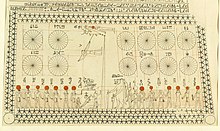
 Physics is the scientific study of matter, its fundamental constituents, its motion and behavior through space and time, and the related entities of energy and force. [1] It is one of the most fundamental scientific disciplines. [2][3][4] A scientist who specializes in the field of physics is called a physicist.
 Discover physics, the science of the universe, its history, and its impact on environmental science, climate change, pollution, renewable energy and more.